

Рюкзак
Свяжитесь с нами
Телефон:
Мобильные телефоны:
Контактные лица:
Адрес:-13186 Diamond Edge Way, Colorado Springs, Colorado, United States
Большие чемоданы которые изменили путешествия навсегда
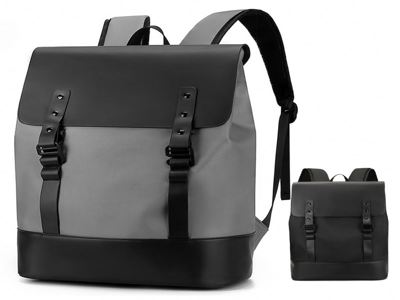
Вы когда-нибудь задумывались, как простой предмет, такой как большой чемодан, может кардинально изменить то, как мы путешествуем? В мире, где путешествия стали неотъемлемой частью нашей жизни, от коротких поездок до долгих экспедиций, большие чемоданы играют ключевую роль. Но что именно делает их такими революционными? Как они эволюционировали от грубых деревянных ящиков до современных высокотехнологичных спутников? И почему они продолжают влиять на нашу мобильность, культуру и даже экономику? В этой статье мы погрузимся в глубокий анализ, чтобы ответить на эти и многие другие вопросы, раскрывая историю, инновации и культурное значение больших чемоданов.
Историческая эволюция: от древности до современности
Как всё началось? Представьте себе древние времена, когда люди путешествовали с минимальным багажом, используя мешки из кожи или ткани. Но с развитием торговли и exploration, потребность в более прочных и вместительных контейнерах стала очевидной. В средние века появились деревянные сундуки, которые были предшественниками современных чемоданов. Они были тяжелыми, громоздкими, но позволяли перевозить ценные вещи на большие расстояния. Кто мог представить, что эти простые ящики станут основой для инноваций? С изобретением колес и ручек в XIX веке, чемоданы стали более мобильными, и именно тогда началась их трансформация. Как промышленная революция ускорила этот процесс? С появлением массового производства, материалы, такие как кожа, металл, а позже пластик, сделали чемоданы доступными для широкой публики. Но настоящий прорыв произошел в XX веке с внедрением колесиков и выдвижных ручек. Как это изменило всё? Внезапно, путешественники могли легко катить свои чемоданы по аэропортам и вокзалам, уменьшая физическую нагрузку и делая путешествия более комфортными. Сегодня, с smart-технологиями, такими как GPS-трекеры и встроенные зарядные устройства, чемоданы стали умными спутниками. Но разве это конец эволюции? Нет, инновации продолжаются, и большие чемоданы остаются в центре внимания, адаптируясь к новым вызовам, таким как устойчивость и цифровизация.
Удобство и практичность: почему большие чемоданы незаменимы?
Что делает большие чемоданы такими практичными? Во-первых, их вместительность: они позволяют упаковать всё необходимое для длительных поездок, от одежды до электроники, без необходимости в multiple сумках. Это не только экономит время, но и reduces стресс, связанный с packing и unpacking. Как организованность внутри чемодана влияет на опыт путешествия? Современные модели оснащены отделениями, карманами и системой сжатия, которые помогают поддерживать порядок и защищать вещи от повреждений. Кроме того, долговечность материалов, таких как поликарбонат или алюминий, ensures что чемоданы выдерживают rough handling в airports. Но есть ли drawbacks? Конечно, большие размеры могут быть проблемой для small storage spaces или при путешествии на public transport. Однако, innovations like складные designs или модульные системы address these issues. How do weight restrictions in air travel affect the use of large suitcases? Airlines often impose limits, but smart packing techniques and lightweight materials help travelers stay within bounds. Ultimately, the convenience of having everything in one place outweighs the occasional hassles, making large suitcases a go-to choice for many.
Влияние на культуру путешествий и общество
Как большие чемоданы shape нашу культуру? Они символизируют adventure, discovery, and the freedom to explore. In movies and literature, characters with large suitcases often represent journeys of self-discovery or escape. Think of iconic scenes in films like "Up in the Air" or novels where suitcases are central to the plot. How has this imagery influenced our perceptions? It encourages a mindset of preparedness and optimism for new experiences. Moreover, the rise of tourism and globalization has made large suitcases ubiquitous, reflecting a world where mobility is prized. But what about the social aspects? Sharing travel stories often involves tales of suitcase mishaps or successes, creating bonds among travelers. Additionally, the suitcase industry itself employs millions worldwide, from manufacturing to retail, contributing to economies. However, there's a darker side: over-tourism and environmental concerns related to excessive luggage. How can we balance the benefits with sustainability? Perhaps through innovations in eco-friendly materials or promoting minimalism. Yet, for now, large suitcases remain a cultural staple, embedded in our collective consciousness.
Технологические инновации: будущее больших чемоданов
Что ждет большие чемоданы в будущем? Technology is pushing boundaries with features like biometric locks, solar-powered charging, and even AI-assisted packing. How do these enhance security and convenience? Biometric locks use fingerprints or facial recognition to prevent theft, while solar panels allow charging devices on the go. AI can suggest optimal packing based on weather forecasts or trip duration. But are these just gimmicks or real game-changers? For frequent travelers, they offer peace of mind and efficiency. Furthermore, connectivity through IoT enables real-time tracking, so you always know where your suitcase is. How might this evolve with advancements in robotics? Imagine suitcases that follow you autonomously or adapt their shape to fit spaces. However, challenges like cost and privacy concerns need addressing. Will large suitcases become smarter than us? Probably not, but they will continue to evolve, making travels seamless and more integrated with our digital lives. The key is to ensure that innovation serves practicality without compromising on simplicity.
Экономический и экологический аспекты
Как большие чемоданы impact экономику? The luggage industry is a multi-billion dollar sector, with brands like Samsonite and Rimowa leading the market. How does consumer demand drive innovation and competition? It fosters research into better materials and designs, creating jobs and boosting trade. But what about the environmental cost? Production of suitcases often involves plastics and metals, contributing to pollution and waste. How can the industry become more sustainable? By using recycled materials, promoting repair over replacement, and developing biodegradable options. Additionally, the carbon footprint from shipping heavy luggage adds to travel's environmental impact. How can travelers reduce this? By packing lighter or choosing eco-friendly brands. Nevertheless, the economic benefits, such as tourism revenue and job creation, often overshadow these concerns. But as awareness grows, a shift towards greener practices is inevitable. Will large suitcases adapt, or will they become relics of a less conscious era? Only time will tell, but the trend is towards balance.
Заключение: вечное влияние и перспективы
В заключение, большие чемоданы не просто objects; они catalysts change в how we experience travel. From their humble beginnings to high-tech marvels, they have enhanced convenience, shaped culture, and driven innovation. But as we look to the future, questions remain: How will they evolve in an era of virtual reality and space travel? Perhaps they'll become even more integrated, with capabilities we can't yet imagine. Whatever the case, one thing is clear: large suitcases have forever altered our journeys, making them more accessible, organized, and memorable. So next time you zip up your suitcase, remember the history and potential it carries. Will you be part of the next chapter? The answer lies in how we embrace change and continue to explore.
Эта статья лишь scratches the surface of a vast topic. For more insights, consider exploring related fields like luggage design or travel psychology. Remember, every journey begins with a single step—or in this case, a well-packed suitcase.
